
Record Sealing
Sealing your record in Utah (expungement)
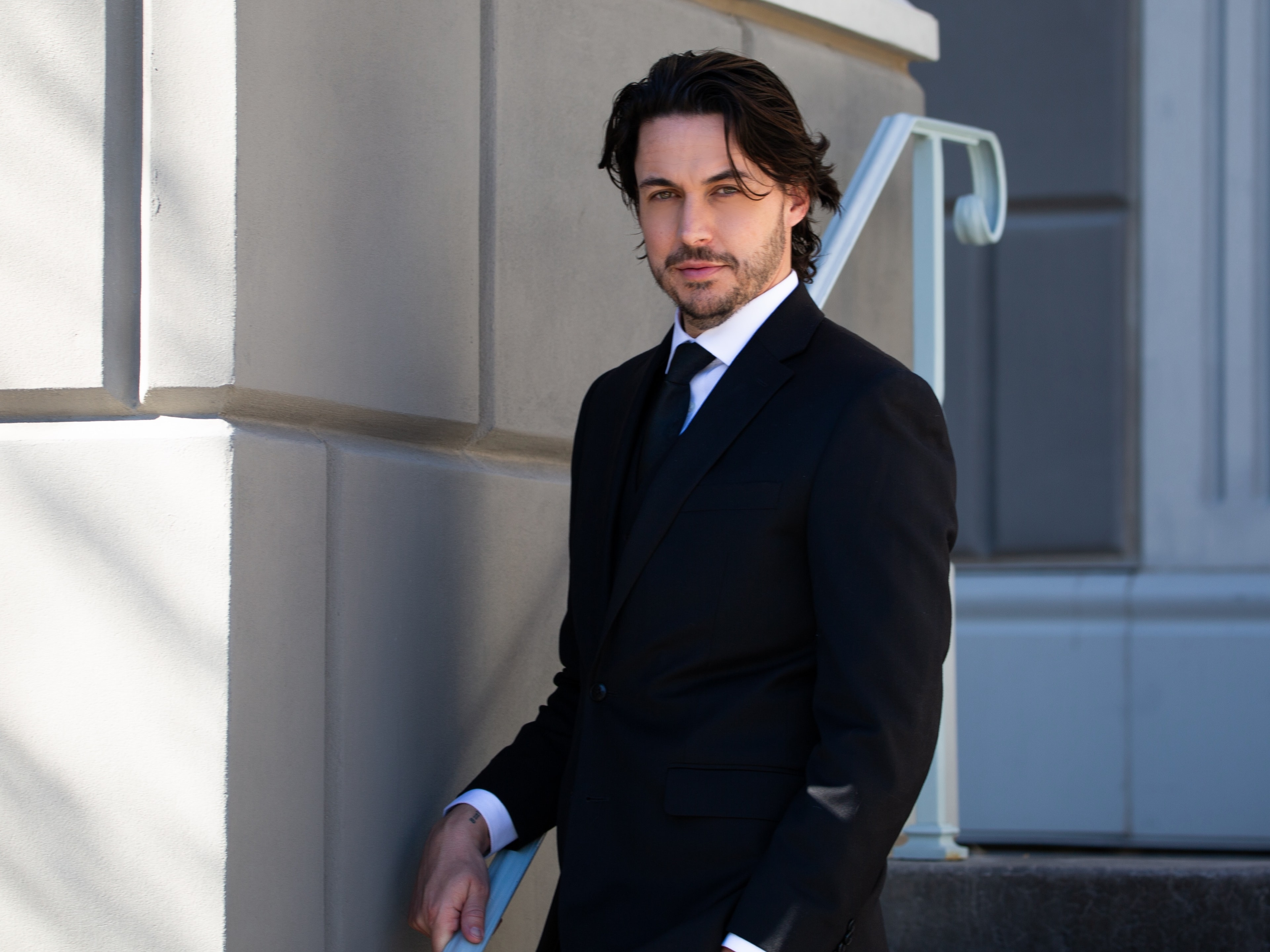
By Frank Stucki, Esq., MBA
Quick answer
Many older, lower-level Utah cases now clear automatically under the Clean Slate law. Others, including many felonies, can still be expunged by petition after a waiting period, a certificate of eligibility from the Bureau of Criminal Identification, and a court order.
What does expungement do in Utah?
An expungement order seals the records of an arrest, charge or conviction so they generally aren't available to the public. It can help with job, housing and licensing applications.
Utah's expungement law is in Utah Code Title 77, Chapter 40a. Some agencies can still access expunged records in limited situations, so it's not quite the same as erasing them.
Will my case clear automatically?
Possibly. According to the Utah State Courts expungement page, since January 1, 2026, the court finds and clears qualifying cases on its own, with no form needed. Processing can take up to 120 days.
The courts list these general timelines for automatic expungement:
| Case outcome | When it may clear automatically |
|---|---|
| Dismissed with prejudice | Within 180 days of dismissal |
| Acquitted | Within 60 days of acquittal |
| Class A drug possession conviction | After 7 years |
| Class B misdemeanor | After 6 years |
| Class C misdemeanor, infraction or minor regulatory offense | After 5 years |
Fines, fees and restitution must be paid. Felonies, most Class A misdemeanors, DUIs, domestic violence, sex offenses and certain other offenses don't qualify for automatic relief, per the courts' page. You can check status in the courts' My Court Case tool.
What if my case doesn't qualify automatically?
You may be able to petition. The usual steps, per the Utah State Courts:
- Apply to the Bureau of Criminal Identification (BCI) for a certificate of eligibility. This can take several months, and the certificate is valid for 180 days.
- File a petition with the court that handled your case, with the original certificate, before it expires.
- Wait for objections. The prosecutor has 35 days to object and a victim has 60 days. The court may hold a hearing or grant the petition.
- Request certified copies of the order and send them where needed.
Traffic and cannabis petitions don't require a BCI certificate.
How long do I have to wait to petition?
Under Utah Code 77-40a-303 (version effective May 6, 2026), the waiting period runs from the later of conviction or release from incarceration, parole or probation:
| Offense | Waiting period |
|---|---|
| Felony (most) | 7 years |
| Felony drug possession | 5 years |
| Class A misdemeanor | 5 years |
| Class B misdemeanor | 4 years |
| Class C misdemeanor or infraction | 3 years |
| Certain DUI-related offenses | 10 years |
You must also have paid all fines, interest and court-ordered restitution.
What can't be expunged?
Under the same section, some convictions aren't eligible, including capital and first-degree felonies, violent felonies as defined by statute, certain DUI-related felonies, and offenses that require sex, kidnap or child abuse offender registration.
There are also limits on the total number of convictions. Those limits loosen in some cases when at least 10 years have passed since your last release. A pending case, a current protective order, or ongoing probation or parole can also block eligibility.
Why get help if there's a self-help process?
The rules have changed often, and the counting rules for multiple convictions are technical. An attorney can review your full record, find every case number, confirm what cleared automatically and file the rest correctly the first time.
Frank Stucki, Esq., MBA is licensed in Utah and handles record sealing as a flat-fee service through Signature Law. Flat-fee services are 50% off through the end of 2026.
FAQ
Utah law limits when an expunged record has to be disclosed, but there are exceptions, such as certain licensing and law-enforcement settings. Ask about your specific situation.
Not automatically in every case. Firearm rights involve both state and federal law and need a separate review.
Each state has its own sealing laws. Tell us where your cases are and we'll review them.
This guide is general information, not legal advice. Reading it does not create an attorney-client relationship.
Questions about your situation? Frank Stucki, Esq., MBA handles flat-fee legal work in Nevada, Washington, Utah and California.